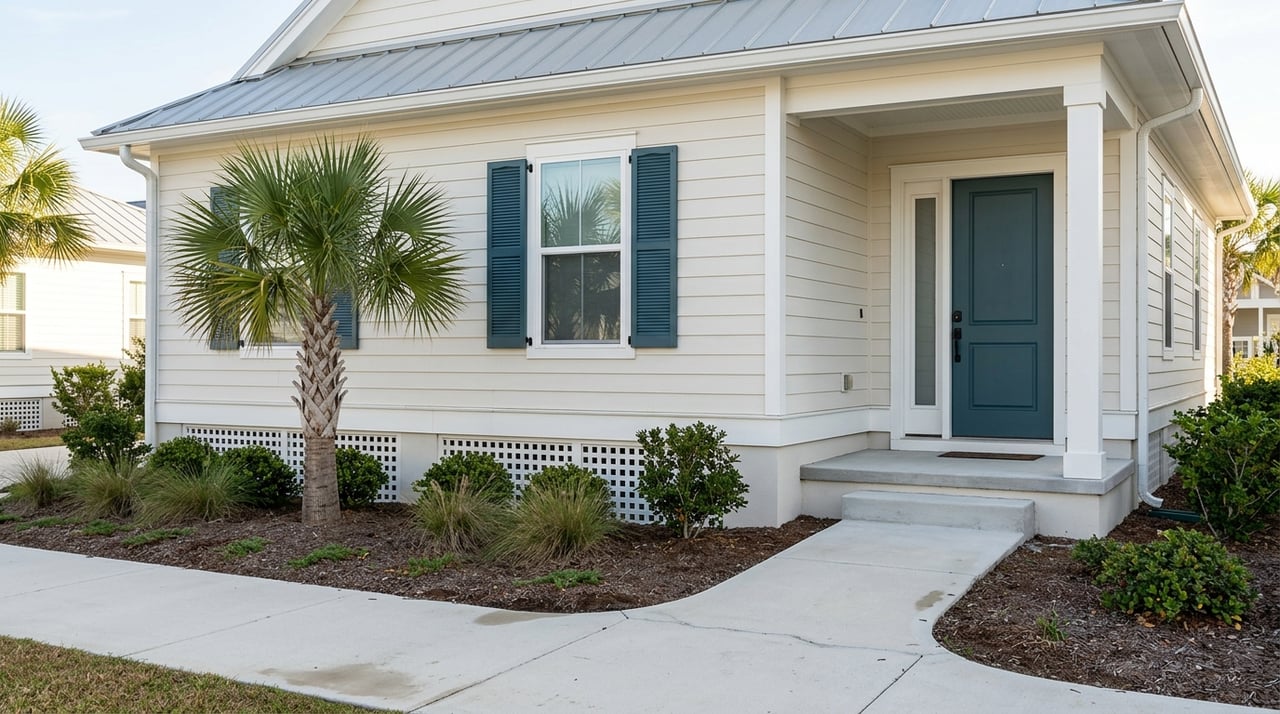
Thinking about a place you can lock up, leave behind, and come back to with minimal hassle? In Wild Dunes, that idea can be very real, but only if you buy the right type of property and understand how the community actually works. If you want a second home or coastal retreat that feels easier to own from afar, this guide will help you sort through the trade-offs, the fees, the rules, and the best-fit property types. Let’s dive in.
Why Wild Dunes Fits Lock-And-Leave Buyers
Wild Dunes sits in a part of Isle of Palms where part-time ownership is a normal part of the market. According to the City of Isle of Palms planning packet, the island includes a mix of year-round residents, second-home owners, vacation rentals, long-term rentals, and commercial uses, with 64% of units identified as second homes or rentals. That context matters because the community is built around a pattern of ownership that often includes time away.
The community itself also supports that lifestyle through a structured ownership model. Wild Dunes Community Association, or WDCA, is a 2,135-property beachfront community with mandatory membership for owners, and annual assessments fund maintenance of common properties. Owners also share ownership of those common areas, which helps explain why Wild Dunes often appeals to buyers who do not want to manage every detail alone.
The resort setting adds another layer of convenience and appeal. Wild Dunes Resort highlights seven year-round restaurants, four seasonal restaurants, two 18-hole Tom Fazio golf courses, a spa, 2.5 miles of beachfront, and resort-wide pools. For many buyers, that creates a strong second-home experience without needing to leave the community for every activity.
Best Property Types For Easy Ownership
If your goal is true lock-and-leave ownership, condos and villas are usually the best place to start. Wild Dunes Resort’s real estate offerings include luxury condominiums and villas alongside beachfront and golf-front homes. For buyers who want less exterior responsibility, attached properties tend to offer the clearest path.
That is largely because maintenance is layered across multiple associations. WDCA handles community-wide infrastructure, while regime associations maintain neighborhood common properties such as pools and tennis courts and charge separate fees. In practice, that means a large share of exterior and shared-area responsibility is built into the ownership structure rather than falling on one owner.
Wild Dunes says there are 28 regime associations representing more than 1,400 properties. Current regime-based options listed by WDCA include Beach Club Villas, Fairway Dunes Villas, Lagoon Villas, Ocean Club Villas, Port O'Call Villas, Seagrove Villas, Shipwatch Villas, Summerhouse Villas, and Tidewater Villas. If you are comparing options, these product types are often the most natural fit for part-time use.
Detached homes can still work well, especially if you want more space or privacy. But they usually require more owner oversight unless you plan to hire additional help. If your top priority is simplicity, attached villas and condos are often the easier match.
How Wild Dunes Maintenance Works
One of the biggest reasons buyers choose Wild Dunes is that so much of the community infrastructure is already managed. WDCA maintains staffed gates, roads, bike and pedestrian paths, beach access paths, the Property Owners Beach House, a fishing dock, a bridge, and lagoons that serve as the community’s stormwater drainage collector system. The association also handles road surfaces, drainage systems, landscaping, and lagoon algae, erosion, and sediment control.
For a part-time owner, that can remove a lot of day-to-day stress. You are not starting from scratch to coordinate every shared element of the community. Instead, many of the big-ticket common-area responsibilities are already organized through the association structure.
City services also play a role. WDCA notes that Isle of Palms Public Works handles garbage and yard-debris collection in Wild Dunes, and Charleston County recycling is part of the pickup schedule. That adds another layer of routine support for owners who are not on-site full time.
Understand Fees Before You Buy
A lock-and-leave home may feel easier to own, but it is not maintenance-free. Buyers should expect recurring ownership costs beyond the mortgage, property taxes, and insurance. WDCA has a mandatory annual assessment, and there may also be a short-term rental access fee where applicable.
You should also remember that regime association fees are separate from WDCA fees. WDCA covers the broader community, while the regime handles neighborhood-specific shared areas and amenities. Before you buy, it is smart to ask for a clear breakdown of what each fee covers and where your responsibilities begin.
This matters because two properties that look similar on paper may operate differently in practice. Access rules, neighborhood amenities, and decal policies can vary by regime. A careful review upfront can save you from surprises later.
Access Rules Matter More Than Buyers Expect
Wild Dunes is designed to be controlled and structured, which many part-time owners appreciate. WDCA says residents, guests, and workers need a valid decal or pass, the Main Gate is staffed 24/7, and contractors and commercial vehicles use the Palm Gate. Owners receive annual decals, which helps create a more managed environment.
That said, the same system can affect how you use the property. WDCA states that boats, jet skis, RVs, campers, commercial vehicles, motorcycles, mopeds, and similar vehicles are not to be stored inside Wild Dunes. If your lifestyle includes extra equipment or frequent contractor activity, you will want to understand those rules before closing.
Golf cart and low-speed vehicle rules also deserve attention. WDCA says only owners or club members may have properly credentialed carts or LSVs on property, renters may not bring their own golf carts, and not all homes, villas, or condos allow LSV rentals. If that feature matters to you or your guests, confirm the property-specific rules early.
Renovation Can Be Slower Than Expected
Many buyers assume they can close on a coastal property and immediately start making updates. In Wild Dunes, exterior work is tightly governed. WDCA says all exterior work requires a building permit, and even exterior painting or color changes require approval.
The Architectural Review Board meets on the second and fourth Wednesday of each month. That schedule may not be a problem if you plan carefully, but it can slow down a remote renovation timeline. If you are buying with updates in mind, ask detailed questions about permits, approvals, contractor access, and expected timing before you commit.
This is especially important for part-time owners. Managing renovation decisions from a distance is much easier when you understand the process before closing rather than after.
Amenities Need A Close Reading
One common misconception is that buying in Wild Dunes automatically includes every resort amenity. It does not work that way. WDCA says ownership does not automatically include golf, tennis, or resort-owned pools.
That is why buyers should ask a simple but important question early: which amenities come with ownership, and which require separate membership or access? A property can still be an excellent lock-and-leave fit even without every amenity included, but you want the facts before you make a decision.
It is also helpful to distinguish between owner amenities and resort amenities. For example, the Property Owners Beach House is a private amenity for owners and their guests, and the parking lot uses barcode-controlled entry. That can be a valuable ownership benefit, but it is different from full access to all resort features.
Flood, Insurance, And Barrier-Island Reality
Every coastal buyer in Wild Dunes should go into the process with a clear understanding of flood risk and insurance costs. The City of Isle of Palms notes that the island is a barrier island and very near a flood plain. The city also states that flood insurance is separate from homeowners insurance and typically has a 30-day waiting period before coverage becomes effective.
That means insurance is not something to sort out at the last minute. You should ask for site-specific flood information early in your due diligence, and the city says its Building Department can provide that data. For second-home buyers especially, insurance costs can affect the overall carrying cost more than expected.
Beach Access And Beach Rules Are Part Of Ownership
If beach access is one reason you are buying in Wild Dunes, remember that access points and beach conditions can change. WDCA notes that the Beachwood East and Seagrove access path is closed due to erosion. It also states that beach renourishment is led and managed by the City of Isle of Palms, even though WDCA participates in planning and funding discussions.
That is a good reminder that coastal ownership always comes with some moving parts. Your beach experience may still be excellent, but access routes and shoreline conditions are not fixed forever.
You should also know the local beach rules. The City of Isle of Palms prohibits glass, alcoholic beverages, smoking and vaping, motorized vehicles on the beach, and fireworks or open fires. Dogs must also follow leash, cleanup, and off-leash-time rules.
A Smart Wild Dunes Buying Checklist
If you want a true lock-and-leave fit, focus your search and due diligence on the details that affect ease of ownership most.
- Compare condos and villas first if low exterior maintenance is your top priority.
- Ask what the WDCA assessment covers and what the regime association covers separately.
- Review all recurring fees, including annual assessments and any applicable rental-related fees.
- Confirm which amenities come with ownership and which require separate membership.
- Check property-specific access, decal, parking, and LSV or golf-cart rules.
- Ask for flood-zone information and get insurance estimates early.
- If you plan to renovate, review WDCA permit and approval requirements before closing.
- Verify current beach access conditions and understand that erosion can affect access points.
Choosing The Right Fit In Wild Dunes
For most buyers seeking a lower-hassle second home in Wild Dunes, a condo or villa in a well-understood regime is the most practical starting point. The community’s association structure, controlled access, shared maintenance, and resort environment can support the lock-and-leave lifestyle very well. The key is making sure the specific property matches how you actually plan to use it.
That is where local guidance matters. In a community with layered fees, varying regime rules, flood considerations, and tightly managed approvals, the right purchase is rarely just about the view or floor plan. It is about choosing a property that makes ownership feel easier, not more complicated.
If you are considering a lock-and-leave home in Wild Dunes and want steady, experienced guidance on the options, fees, and lifestyle trade-offs, connect with Russ Knapp for a private consultation.
FAQs
What is the best property type for a lock-and-leave home in Wild Dunes?
- For many buyers, a condo or villa is the best fit because shared exterior maintenance is typically handled through the regime structure and community association rather than by one owner alone.
What fees should buyers expect in Wild Dunes?
- Buyers should expect a mandatory WDCA annual assessment, separate regime association fees, and in some cases a short-term rental access fee, along with standard ownership costs such as insurance and taxes.
What does Wild Dunes Community Association maintain?
- WDCA maintains major common infrastructure such as staffed gates, roads, bike and pedestrian paths, beach access paths, the Property Owners Beach House, drainage systems, landscaping, and lagoon management.
Do Wild Dunes owners automatically get resort amenities?
- No. WDCA says ownership does not automatically include golf, tennis, or resort-owned pools, so buyers should confirm exactly what comes with a specific property.
What should buyers know about renovations in Wild Dunes?
- WDCA requires permits and approval for exterior work, including exterior painting or color changes, so buyers planning updates should review the approval process before closing.
What should buyers know about flood insurance in Wild Dunes?
- The City of Isle of Palms says the island is a barrier island near a flood plain, flood insurance is separate from homeowners insurance, and there is typically a 30-day waiting period before coverage becomes effective.
Are access and vehicle rules important in Wild Dunes?
- Yes. Wild Dunes uses controlled gate access, requires decals or passes for residents, guests, and workers, and limits storage of certain vehicles and equipment inside the community.
Can beach access change in Wild Dunes?
- Yes. WDCA notes that some access paths can close due to erosion, and beach renourishment is managed by the City of Isle of Palms, so access conditions can shift over time.