Dreaming about a place where you can hear the surf, hop in a golf cart for part of your errands, and settle into a home that feels more relaxed than polished? That is a big part of the appeal of owning a classic Folly Beach cottage. If you are thinking about a second home, a coastal retreat, or an investment-minded beach property, it helps to know what day-to-day ownership really looks like on this barrier island. Let’s dive in.
Folly Beach Has a Distinct Rhythm
Folly Beach is a six-mile-long barrier island and the closest beach to historic Charleston. It is widely described as a laid-back beach town, with sea, sand, surfing, wildlife, and community shaping daily life. With about 2,400 residents, it often feels more personal and close-knit than a larger resort market.
That smaller scale is part of what makes a classic cottage here so appealing. You are not just buying a house near the water. You are buying into an island rhythm that feels casual, connected, and deeply tied to the beach.
A Classic Folly Cottage Feels Informal
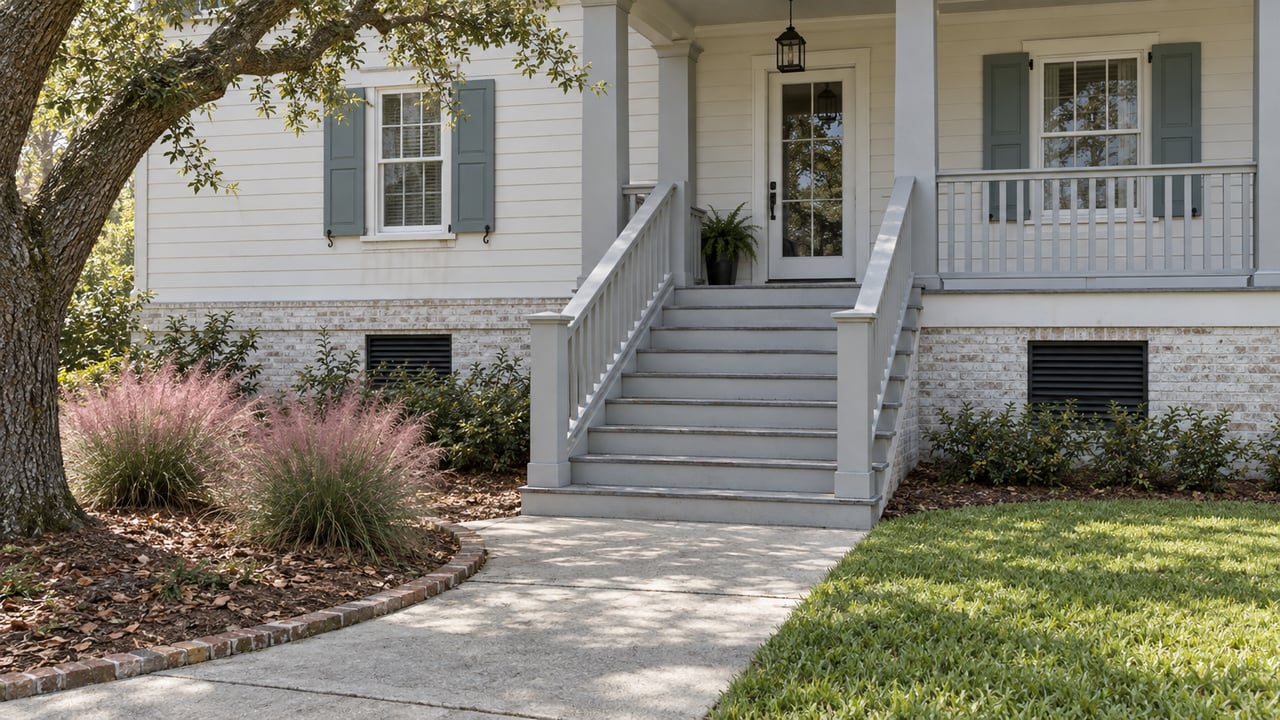
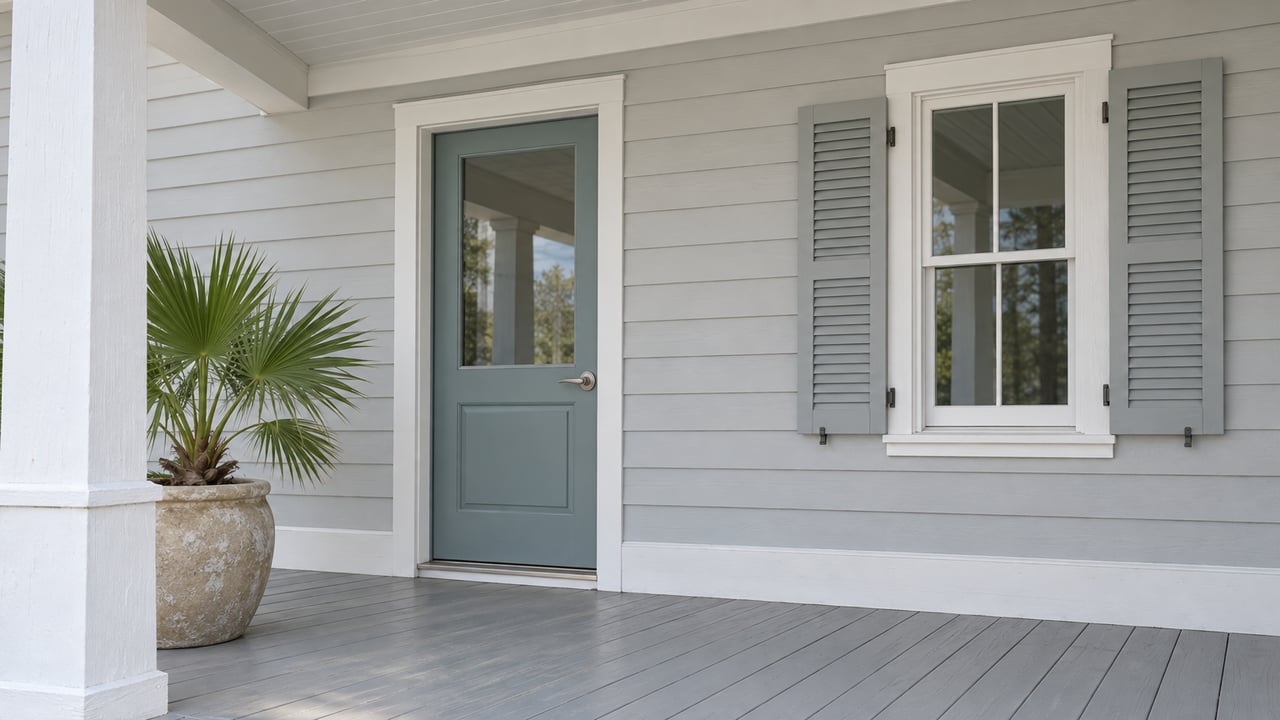
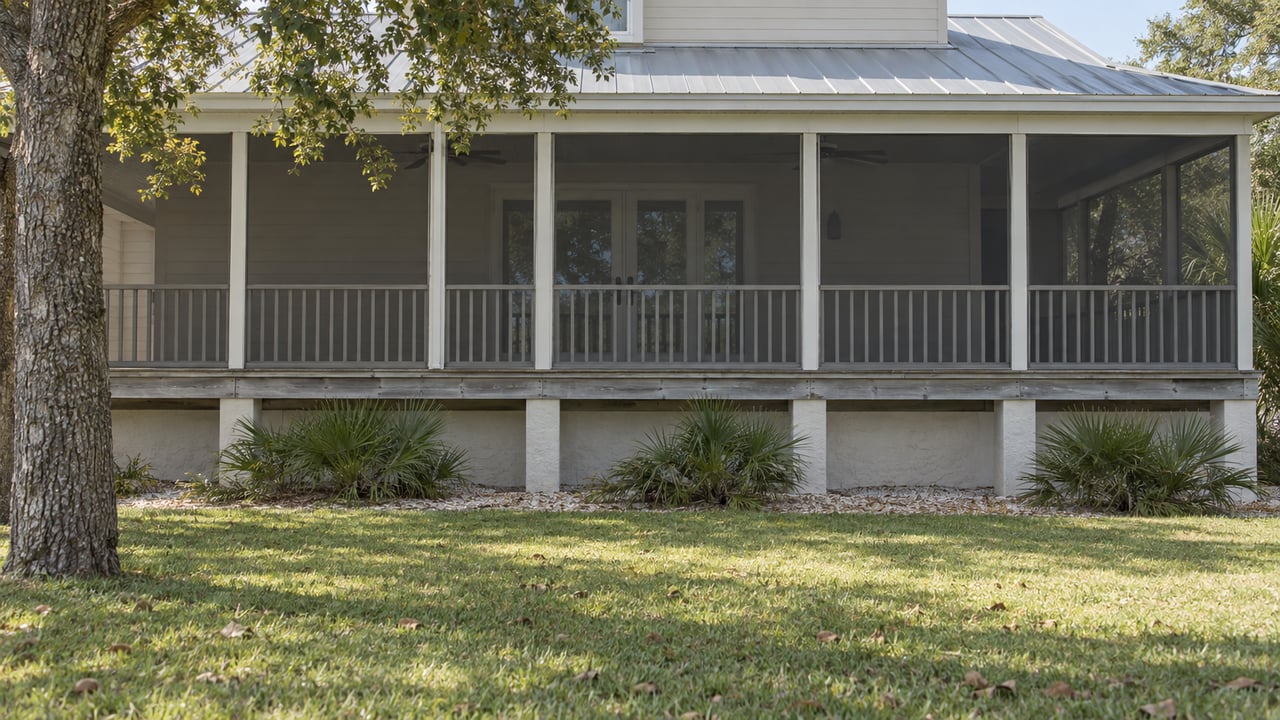
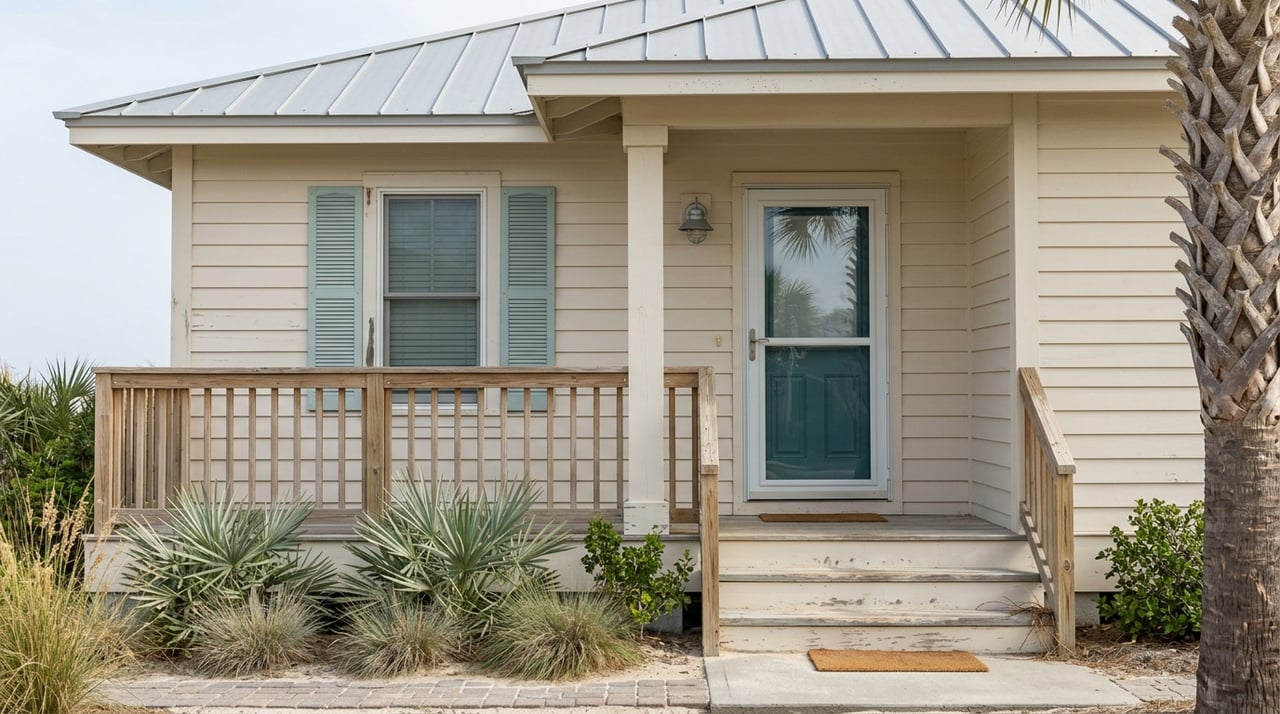
When people picture a classic Folly Beach cottage, they usually imagine a smaller, beach-first home with an easygoing feel. Local descriptions of Folly lodging point to cozy cottages along the Folly River, small homes near Center Street, and traditional beachfront cottages with porches and private boardwalks.
In practical terms, that often means a home designed more for comfort and coastal living than for formality. The charm is usually in the simplicity. Think porches, sandy feet, breezy rooms, and a layout that supports beach days rather than a resort-style presentation.
Location Changes the Cottage Experience
On Folly Beach, a few blocks can make a real difference in how ownership feels. If your cottage is near Center Street, you may be able to park the car and walk to the beach, restaurants, shops, the pier, and other everyday stops.
That walkable setup is a major draw for many second-home buyers. The trade-off is that this part of the island can feel busier, and parking can be limited. If you prefer a slower pace, the West End near Folly Beach County Park is often described as more relaxed, with wider beaches.
Walkability Is Part of the Appeal
One reason classic cottages remain so attractive is that Folly can be very easy to enjoy without constant driving. The city’s accessibility information places coffee, City Hall, the post office, the community center, the fishing pier, and the Washout Restaurant within the compact commercial district.
That kind of layout supports a simpler beach-town routine. You can head out for coffee, walk to the pier, stop for a casual meal, and make your way back home without turning every outing into a full car trip.
The Pier Is More Than a Landmark
The rebuilt Folly Beach Pier reopened on December 26, 2022, and spans 1,049 feet. Charleston County Parks notes that it offers views, fishing, dining, and events.
For an owner, that matters because the pier is one of the island’s shared gathering places. It adds to the lifestyle in a practical way, giving you a reliable spot for a walk, a meal, or time with visiting friends and family. It becomes part of your regular routine, not just part of the scenery.
Surf Culture Shapes the Island Identity
Folly Beach has a real surf identity, and that influences the tone of the community. State tourism materials identify the Washout as a prime surf spot and note that surf lessons and surf shops are part of the island’s character.
Even if you do not surf, that culture helps explain why Folly feels different from more formal coastal communities. The mood is active, casual, and connected to the water. For many cottage owners, that relaxed energy is exactly the point.
Dining Stays Casual and Coastal
The dining scene on Folly Beach tends to match the setting. It is casual, seafood-forward, and easy to enjoy without much planning.
Pier-area dining adds convenience, and nearby Bowens Island is known for its oyster-and-shrimp tradition by the marsh. If you own a cottage here, dining out usually feels less like an event and more like a natural extension of beach life.
Golf Carts Help, With Rules
Folly Beach says golf carts are a preferred mode of transportation, which fits the island’s compact feel. For many cottage owners, a golf cart can make quick daytime trips easier and more enjoyable.
That said, there are clear city rules. Golf carts require registration, insurance, a valid driver’s license, and drivers must be at least 16. They also cannot be driven at night, in rain or limited visibility, or on Center Street or Folly Road.
Parking Is Part of Daily Planning
Parking matters more on Folly than many first-time buyers expect. Charleston County Parks says Folly Beach County Park has 225 parking spots and typically fills by 10:30 a.m. on weekends and holidays.
That does not mean island ownership is difficult, but it does mean movement and timing matter. If your cottage is in a walkable area, that can be a real lifestyle advantage. If not, you will want to think through access, guest parking, and how you plan to move around during busier periods.
Cottage Ownership Means Coastal Maintenance
A classic Folly cottage can look easygoing, but ownership requires attention. Coastal air is humid and saline-rich, which can corrode building materials over time.
That environment tends to be harder on exterior surfaces, hardware, and exposed structures. If your cottage has a deck or porch, annual inspection is a smart rhythm, and stainless steel hardware is recommended for coastal deck conditions. The goal is not to overreact. It is to stay ahead of wear before small issues become expensive ones.
Humidity and Seasonal Use Need a Plan
Many Folly Beach cottages are used as second homes, and seasonal gaps in occupancy create their own maintenance needs. Guidance for seasonal homes includes sealing drains, checking the air conditioning before leaving, and controlling indoor humidity.
That matters because summer heat and moisture can contribute to mildew, mold spores, and pests. If you do not live in the home full-time, a clear departure checklist can protect both comfort and long-term condition.
Yards and Exteriors Face Coastal Stress
The beach environment affects more than the structure itself. Clemson Extension notes that coastal lawns can be affected by sea-salt intrusion from storm events and high tides.
That means exterior upkeep may not look the same as it would inland. Landscaping, finishes, and outdoor living spaces all benefit from a realistic maintenance mindset. On Folly, a well-kept cottage is usually one that has been cared for consistently, not one that has been ignored until something fails.
Beach Changes Are Part of Barrier-Island Life
Owning on Folly also means understanding that the shoreline is actively managed. The city says its biggest beach-management challenge is chronic erosion and that it uses periodic beach renourishment.
For buyers, this is an important mindset shift. Barrier-island ownership is rewarding, but it is not static. The beach itself changes, and responsible ownership includes staying aware of how the island is maintained over time.
Improvements Usually Require Permits
If you are thinking about updating a classic cottage, permit requirements should be part of your planning from the start. The city requires permits for new construction, remodeling, and many exterior projects.
For larger jobs that need plan review, the process can take about 4 to 8 weeks. That does not mean improvements are difficult, but it does mean timelines matter. If you are buying a cottage with renovation plans in mind, it helps to approach the process with patience and clear expectations.
Renting the Cottage Adds Another Layer
Some buyers love the idea of using a Folly cottage personally while also exploring rental income. If you plan to rent the home, Folly Beach has business-license and short-term-rental registration requirements.
That makes due diligence especially important. Before you buy, you should understand how you want to use the property, what ownership goals matter most, and what steps may be required to support that plan.
Why Cottages Work So Well as Second Homes
Folly Beach often makes sense as a second-home location because it offers a laid-back island feel while staying close to Charleston. That combination supports easy weekend trips, flexible personal use, and the sense that you can shift into beach mode quickly.
For many buyers, that is the sweet spot. A classic cottage gives you something that feels personal and rooted in place, while still offering practical access to the city. It is a lifestyle choice, but it can also be a very strategic one when the fit is right.
What Owning One Really Feels Like
At its best, owning a classic Folly Beach cottage feels simple in the ways that matter. You wake up near the ocean, move through a town that still feels compact and local, and spend more time outdoors and on foot.
At the same time, the ownership side is real. Parking, maintenance, permitting, and barrier-island conditions all shape the experience. The buyers who tend to be happiest here are the ones who appreciate both sides of that equation and want a home that delivers character, access, and a true Folly lifestyle.
If you are considering a cottage on Folly Beach, it helps to work with someone who understands not just the listings, but the daily ownership realities that come with this market. To explore opportunities with a steady local guide, connect with Russ Knapp.
FAQs
Is Folly Beach walkable for cottage owners?
- Yes. Areas around Center Street and the pier are especially walkable, with coffee, civic uses, dining, and beach access clustered in a compact part of town.
What does a classic Folly Beach cottage usually look like?
- It is typically a smaller, informal, beach-first home that emphasizes comfort, porches, and easy coastal living rather than a formal resort-style setup.
Is surf culture really part of daily life on Folly Beach?
- Yes. The Washout is recognized as a prime surf spot, and surf lessons and surf shops are part of the island’s identity.
What should second-home buyers know about Folly Beach maintenance?
- Coastal humidity and saline air can be tough on materials, so owners should stay proactive with inspections, corrosion-resistant hardware, humidity control, and seasonal checklists.
Can you use a golf cart around Folly Beach?
- Yes, but city rules apply. Golf carts require registration, insurance, a valid driver’s license, and cannot be driven at night, in rain or limited visibility, or on Center Street or Folly Road.
What should buyers know about renovating a Folly Beach cottage?
- The city requires permits for new construction, remodeling, and many exterior projects, and larger projects that need plan review can take 4 to 8 weeks.
Can a Folly Beach cottage work as a second home?
- Often, yes. Folly combines a relaxed beach-town feel with close proximity to Charleston, which makes it appealing for personal retreats and weekend use.
What should buyers know about renting out a Folly Beach cottage?
- If you plan to rent the property, Folly Beach has business-license and short-term-rental registration requirements that should be reviewed early in your planning.