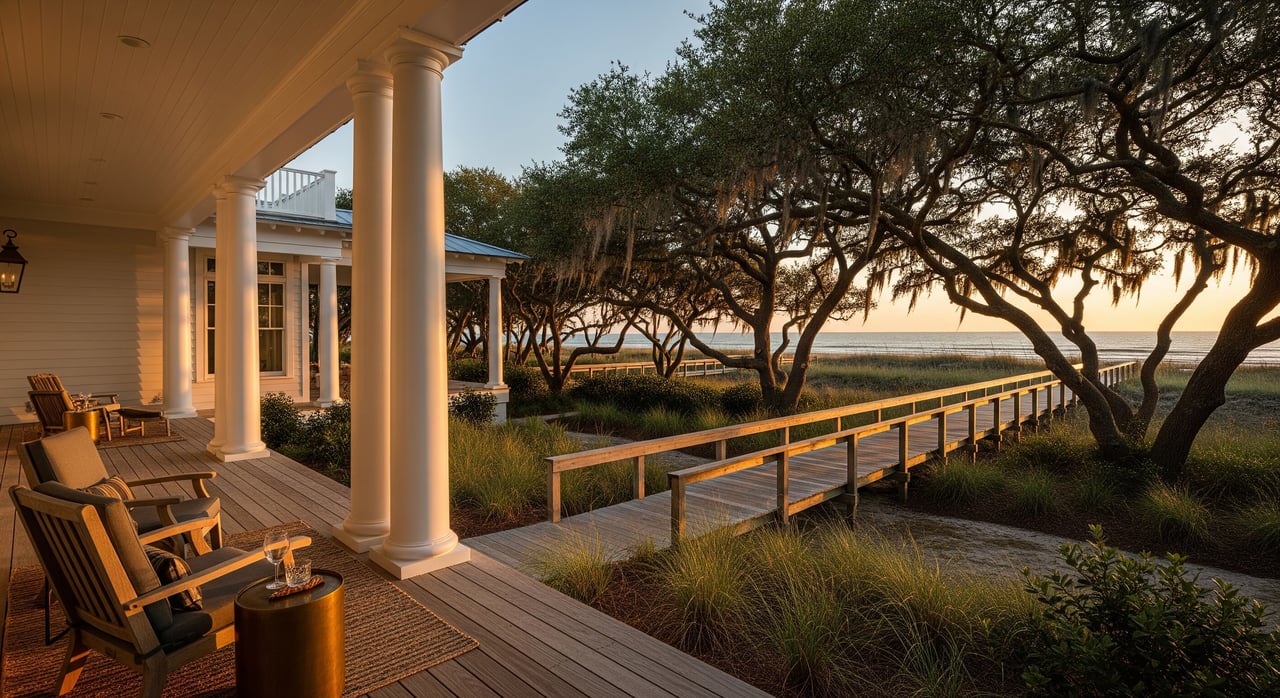
Thinking about owning a place on Kiawah Island? You might picture sunrise beach walks, world-class golf, and quiet evenings on the porch. That is real. So are the details that make island life work, like club access, conservation rules, insurance, and seasonal rhythms. In this guide, you’ll get a clear look at daily living, neighborhood feel, membership, costs, environmental factors, and what to confirm before you buy. Let’s dive in.
Where Kiawah sits and how you get here
Kiawah Island is a privately developed barrier island southwest of Charleston. You can be in downtown Charleston in about 30 to 45 minutes depending on traffic and your destination. The nearest major airport is Charleston International, typically 45 to 75 minutes by car based on time of day and terminal. You reach the island by causeway and bridges, and you’ll rely on a car or golf cart once you’re here.
The climate is subtropical with hot, humid summers and mild winters. Spring through fall brings active outdoor season and more visitors. Summer afternoons often include quick thunderstorms, so you plan around the radar. The island’s pace follows a seasonal tourism rhythm, with spring and early summer as peak periods.
Day-to-day life on the island
Beaches and nature
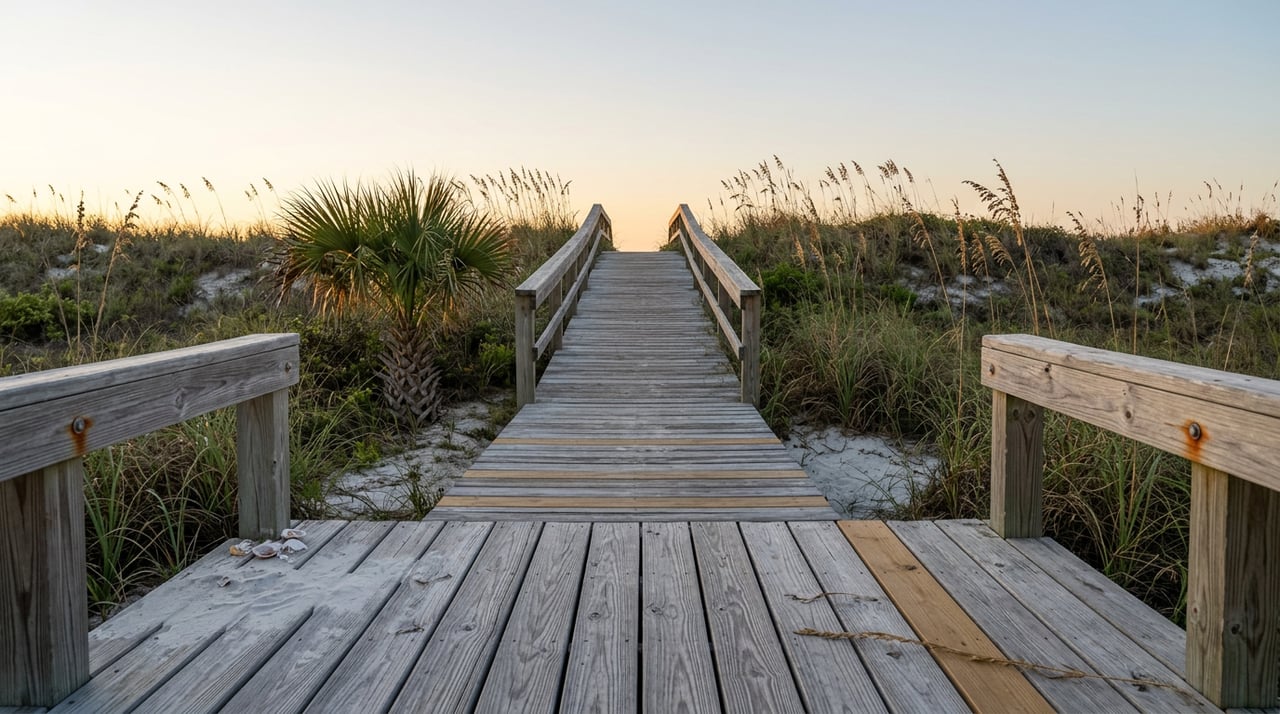
If you love the beach, Kiawah delivers daily. You’ll walk, run, shell, swim, and watch wildlife across miles of sand and dunes. Conservation matters here. Sea turtle and shorebird nesting seasons bring temporary closures and lighting rules in some areas so wildlife can thrive.
Water lovers have options beyond the ocean. Kayaking, paddleboarding, and surf fishing are everyday activities, and boaters watch tides and channels closely. Marsh views, maritime forests, and creeks set a calm backdrop for morning or sunset.
Golf, tennis, and fitness
Golf is central to Kiawah’s identity. The Ocean Course and other courses on the island attract players from around the world, and members and resort guests enjoy extensive practice facilities. Tennis, pickleball, pools, fitness centers, clinics, and leagues are common across club and resort programs. If you prefer an active routine, there is always something on the calendar.
Dining and everyday services
Dining ranges from casual to fine dining through the resort and private clubs. For groceries, pharmacy items, and restaurants, many owners also rely on nearby Freshfields Village and Johns Island. On-island retail and services are more limited than a full town, so you’ll make occasional mainland trips for broader shopping or specialty appointments.
Social life and events
The social calendar is lively and varied. You’ll find holiday gatherings, wine dinners, golf tournaments, nature walks, and educational talks. The overall vibe blends upscale resort energy with relaxed beach culture. You can stay as engaged or private as you like.
Health and schools
Emergency services cover the island, with hospitals and major medical facilities in the Charleston metro area. Public schools fall within the Charleston County School District, and some owners consider private school options in the region. If school logistics or specialist care are important, you’ll plan for drive times into Charleston.
Neighborhood feel and property types
Oceanfront living
Oceanfront homes and villas prioritize views and immediate beach access. You’ll wake to sunrise light and the sound of the surf. These properties are typically the most expensive and have a strong focus on privacy and direct coastal living.
Marsh and river outlooks
Marshfront and riverfront homes trade surf for stillness. Expect winding waterways, abundant birdlife, and long, protected views. If you enjoy kayaking, boating, or wildlife watching, this setting often feels like a private retreat.
Interior and village areas
Interior and wooded neighborhoods feel sheltered and often offer easier access to trails, pools, and clubhouses. These areas can be more attainable than waterfront properties while still delivering the Kiawah experience. You’ll find a mix of single-family homes, villas, and condos.
Club-centric vs. non-club
Some neighborhoods are tightly aligned with the Kiawah Island Club and its membership tiers. Others are outside that structure and rely more on resort amenities or neighborhood HOAs. Your experience can change significantly based on whether club membership is required, available, or not tied to a given property.
Gated enclaves and custom homes
Smaller gated sections and custom enclaves exist for owners who want enhanced privacy and managed services. These settings emphasize security, architectural harmony, and full-service maintenance options. It suits owners who want a turnkey living experience.
Membership and access explained
Kiawah’s lifestyle often includes membership decisions. The Kiawah Island Club and resort offer varied tiers, including golf and social categories. Memberships can be limited, tiered, and governed by initiation fees, annual dues, and transfer policies. Before you bid on a property, verify what memberships are required, what can transfer, and whether any waitlists apply.
Your day-to-day access to tee times, dining venues, pools, fitness, tennis, and programming will depend on these details. Make the membership conversation part of your early due diligence so you align the property with your lifestyle goals.
Costs of ownership beyond the price
Owning on a barrier island brings recurring costs to plan for. Build a budget that accounts for:
- HOA or POA dues for neighborhood and island services
- Club initiation and annual dues if you join
- Periodic beach and dune maintenance assessments
- Utilities and specialty services with island logistics in mind
- Higher exterior maintenance due to salt air and humidity, including paint, windows, decking, and HVAC corrosion mitigation
- Insurance, including homeowners, windstorm and hurricane coverage, and flood insurance, with deductibles that may be tied to named storms
Insurance costs have risen in many coastal areas in recent years. Get current quotes early, and confirm deductibles and coverage specifics for the home you are considering.
Flood, storms, and building rules
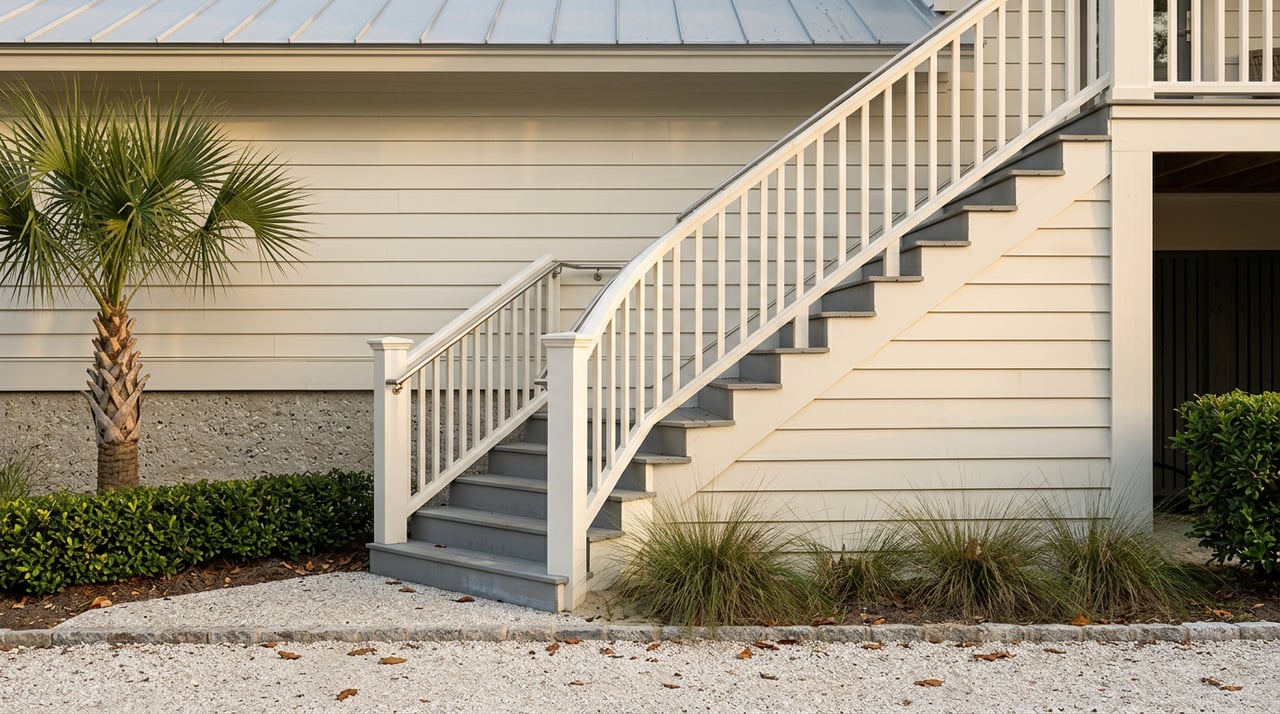
Kiawah is a barrier island, so flood, storm surge, and erosion risks are part of ownership. Good planning reduces surprises. Many homes are elevated and use impact-rated materials to meet coastal building codes.
When evaluating a property, consider these steps:
- Review FEMA flood maps and request the property’s elevation certificate
- Ask for storm and flood history, plus mitigation features like pilings, breakaway walls, and impact windows
- Confirm current building codes and required elevations for new construction or major remodels
- Check for upcoming beach nourishment or shoreline stabilization projects that could involve assessments
- Learn the lighting and access rules that protect nesting sea turtles and shorebirds in season
- Review architectural review board and HOA design guidelines for exterior materials, color palettes, landscaping, and structural height
These guardrails preserve the island’s environment and long-term value, and they shape what you can build or remodel.
Rentals and income potential
Some owners place properties in rental programs through the resort or independent managers. Others limit or prohibit short-term rentals under HOA or neighborhood rules. Seasonal demand can support rental income, but outcomes vary based on location, property type, amenities, and management fees. Confirm zoning, HOA rules, and any club contract terms before planning rental use.
If you are buying with an investment lens, request rental histories for comparable properties and clarify management options. Many owners prefer low-maintenance arrangements with local property managers for cleaning, repairs, and guest services.
How Kiawah compares nearby
Versus downtown Charleston
Kiawah is quiet, coastal, and spread out. You’ll rely on cars and golf carts and enjoy beaches and club amenities. Downtown Charleston offers walkable neighborhoods, cultural institutions, and dining density. Many owners enjoy the best of both, pairing island life with quick trips into the city.
Versus Seabrook Island and Johns Island
Kiawah is known for a strong resort and golf identity, including championship courses and high-value properties. Neighboring communities like Seabrook and parts of Johns Island offer different price points, community scale, and public access levels. Your choice comes down to priorities around club access, budget, and overall setting.
Quick buyer checklist
Use this list to organize your due diligence:
- Property type and ownership: fee-simple home, condo, or villa
- Whether the deed conveys, requires, or excludes club membership
- Current HOA, POA, and club dues, plus any planned special assessments
- Recent or upcoming beach nourishment or shoreline projects
- Homeowner, wind/hail, and flood insurance quotes, including deductibles
- FEMA flood zone, elevation certificate, and any flood or storm history
- Rental rules, restrictions, and income history if relevant
- Internet and utilities, plus whether the property is on sewer or septic
- Architectural review rules, coastal permitting limits, and any conservation easements nearby
Is Kiawah Island a fit for you?
If you want a refined coastal setting with top-tier golf, daily beach time, and a culture of conservation, Kiawah delivers. You trade walkable city blocks for natural beauty, club access, and quiet. Ownership works best when you plan for insurance, maintenance, and membership details up front. With the right guidance, your home can match how you actually prefer to live here.
When you are ready to explore the island, neighborhoods, membership options, and off-market opportunities, connect with Russ Knapp for clear, experienced guidance tailored to your goals.
FAQs
How far is Kiawah Island from downtown Charleston?
- Plan for about 30 to 45 minutes by car depending on traffic and your exact destination.
What is the climate like on Kiawah Island?
- Expect a subtropical climate with hot, humid summers, mild winters, and a peak outdoor season from spring through fall.
Do I need a club membership to enjoy Kiawah?
- Not every property includes or requires club membership, but membership affects access to certain golf, dining, and amenities, so verify details for each home.
How should I think about insurance for a Kiawah home?
- Budget for homeowners, windstorm or hurricane coverage, and flood insurance, and request quotes early since deductibles and costs vary.
Can I rent out my Kiawah property?
- Many owners rent through the resort or managers, but HOA rules, zoning, and club contracts can limit rentals, so confirm before you buy.
What wildlife or conservation rules affect beach use?
- During sea turtle and shorebird nesting seasons, some areas have closures or lighting restrictions to protect wildlife.
Where do residents go for medical care?
- Emergency services cover the island, and full hospital care is available at medical centers in the Charleston metro area.