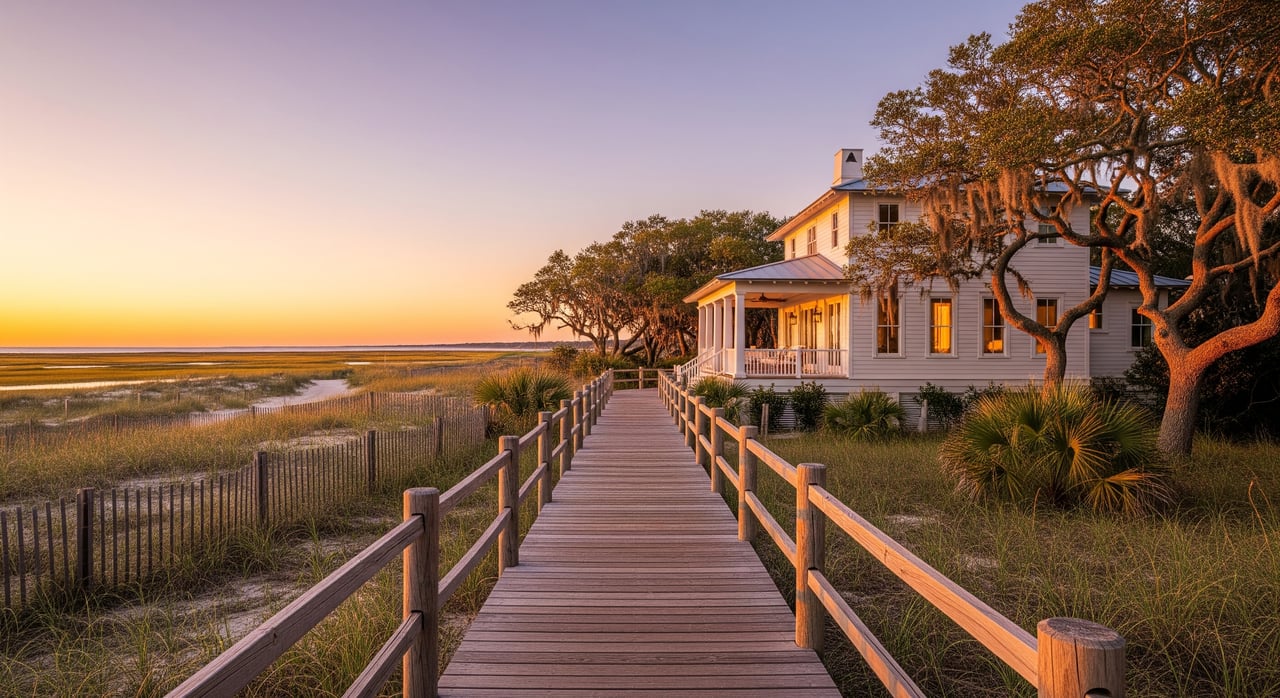
Curious what Wild Dunes actually is and how it fits into Isle of Palms? If you are weighing a second home or an investment near Charleston, the layout and rules can feel complex at first. This guide breaks down how the resort is organized, how it relates to the rest of the island, and what to consider if you buy inside or outside the gates. Let’s dive in.
What and where is Wild Dunes
Wild Dunes is a private resort community at the north end of Isle of Palms, a barrier island northeast of downtown Charleston. Under normal traffic, you can expect about a 20 to 30 minute drive to downtown and just minutes to Mount Pleasant via the Isle of Palms Connector. The resort functions as both a vacation destination and a residential neighborhood, with short‑term rentals common in many units. Inside the boundaries you will find residential areas, resort operations, and extensive recreation.
What Wild Dunes includes
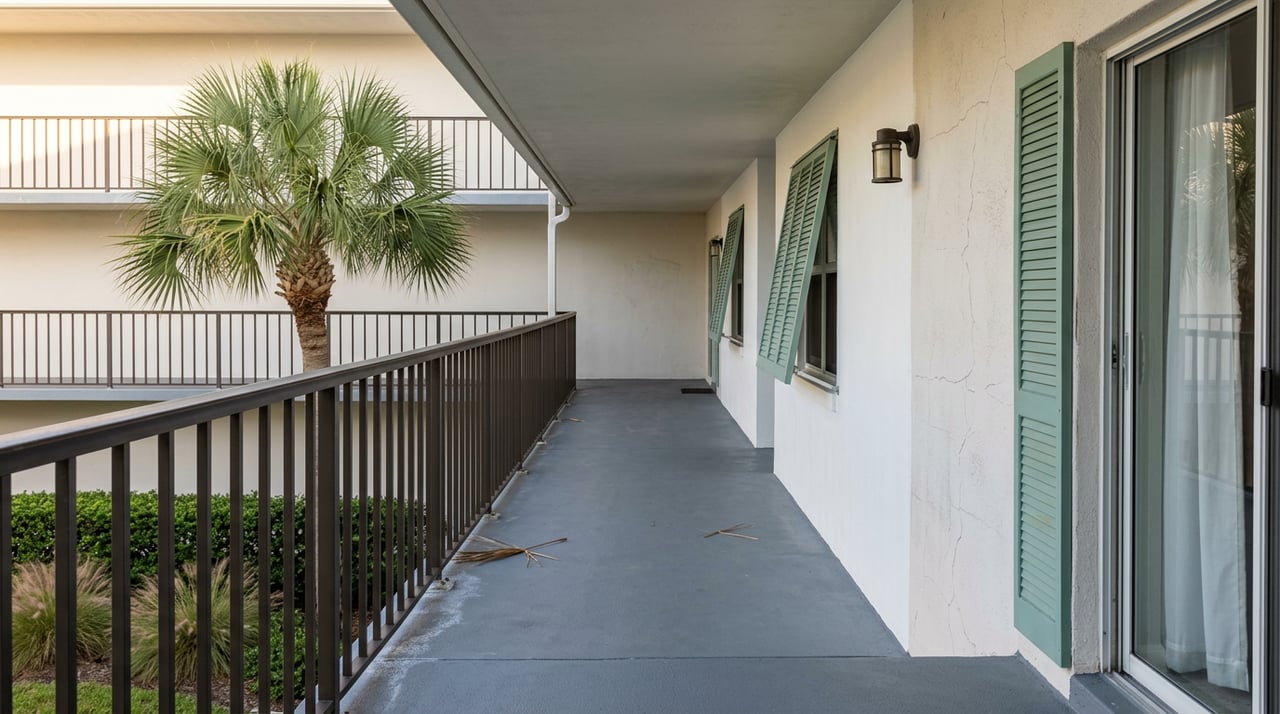
Wild Dunes is a self‑contained resort zone with several hundred condo units and dozens of homes and villas. Property types range from resort hotel rooms to individually owned condos, townhomes and attached villas, single‑family homes, and some fractional or interval ownership units. Many condos participate in short‑term rental programs. Signature amenities include two championship golf courses, oceanfront pools, on‑site restaurants and spa, tennis and pickleball facilities, bike paths, and easy access to the Atlantic beach and nearby harbor waters.
How the resort is organized
Beachfront zone
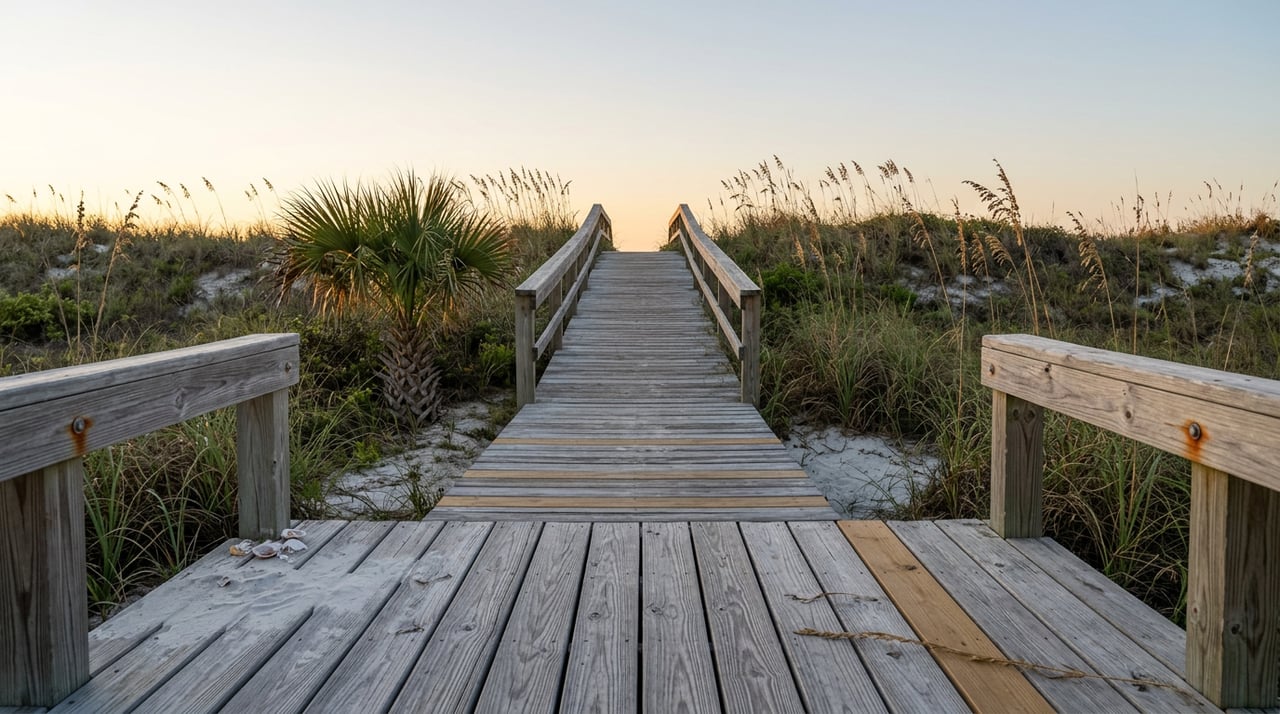
The oceanfront edge features condos and private homes with direct beach access, pools and boardwalks. Beach services are coordinated for resort guests and owners in many areas. Keep an eye on dune and setback rules, periodic beach renourishment work, and seasonal beach access or parking regulations.
Golf, marsh and inland residential
Two courses shape large green corridors through the resort: the Links Course and the Harbor Course. Around them you will see low‑rise condos, townhomes and single‑family homes with marsh, harbor or course views. Many of the highest‑value homes cluster along marshfront or coursefront lots.
Resort core
At the center you will find the hotel, front desk and concierge areas, restaurants, spa and managed guest accommodations. This hub handles guest services, resort‑managed rentals, events and select owner amenities such as fitness and meeting spaces.
Tennis, pickleball and fitness
A dedicated complex groups courts, pro shops and instruction programs. The facility draws repeat vacationers and is a highlight for active owners and guests.
Marina and harbor access
Some properties enjoy harbor views or access to the Intracoastal Waterway area near Breach Inlet. Most visitors use local marinas for charters or private slips, and tidal conditions vary.
Circulation and security
Wild Dunes has controlled access points and internal roads linking each zone. Some areas require credentials or guest passes. Bike and walking paths are extensive and connect with Palm Boulevard, the island’s main corridor.
Wild Dunes and the rest of Isle of Palms
Boundaries and governance
Wild Dunes occupies a defined section of the north end of the island. The Town of Isle of Palms governs island‑wide services and ordinances, including building codes, parking, noise, and short‑term rental rules. Inside Wild Dunes, private covenants and resort rules layer on top of town regulations.
Services and daily needs
Isle of Palms has a small commercial area with restaurants, shops and services. For full grocery options, big‑box retail and many professional services, most residents drive to Mount Pleasant or Charleston. Emergency services, utilities and public schools are municipal or county functions, so confirm details by address.
Getting around
The Isle of Palms Connector is the main route on and off the island. Palm Boulevard runs the length of the island and ties Wild Dunes to town amenities. Public transit is limited, so most people rely on cars, bikes or resort shuttles.
Coastal environment and risk
Isle of Palms is a low‑lying barrier island exposed to hurricane winds and storm surge. Pay attention to FEMA flood zones and potential flood insurance requirements. The island also undertakes beach nourishment and dune protection projects, and regional agencies track sea‑level rise and tidal flooding trends.
Buying inside vs outside the resort
Ownership and governance
Inside Wild Dunes, properties may be part of resort‑managed rental programs, a resort association, and building‑level HOAs with their own covenants. Expect additional fees for shared amenities in many cases. Outside the resort, some neighborhoods have HOAs, but single‑family homes are more likely to carry fewer resort‑level fees.
Rentals and owner use
Short‑term rentals are commonly allowed inside Wild Dunes but are regulated by the HOA or resort rules, along with town ordinances. Policies can include registration, minimum stays and cleaning or program fees. Outside the resort, rules vary by neighborhood and HOA.
Cost differences
Resort properties often command a price premium due to amenities and maintenance. Review HOA and resort fees closely, including what is covered and the possibility of special assessments. Insurance can be higher on barrier islands, including wind and flood coverage, and taxes depend on county assessment and exemptions.
Maintenance and management
Inside the resort, many condo and villa owners benefit from bundled services like landscaping and exterior maintenance, which can simplify ownership but increase monthly fees. Outside the resort, single‑family owners often hire private vendors for landscaping, pool care and exterior work.
Resale and rental income
Inside Wild Dunes, branding and amenities can help occupancy for vacation rentals and appeal to buyers who value convenience. Weigh that against higher fees, stricter rules and competition within condo rental markets. Whether inside or outside the resort, net returns depend on operating costs, occupancy and local regulations, so base projections on actual local data.
Storm risk and resiliency
Evaluate elevation, foundation type and flood zone for each property. Ask about impact windows, roof tie‑downs and other upgrades. Request elevation certificates, inspection records and any relevant claims history during due diligence.
A quick due diligence checklist
Documents to request
- HOA or resort association bylaws, covenants and rules, including rental policies
- Recent HOA meeting minutes, budgets and reserve details
- Rental program contracts if applicable
- Flood zone designation and elevation certificate
- Insurance claims history for wind, hurricane and flood
- Recent pest and structural inspections, roof history, HVAC and utility upgrades
- Charleston County property tax record, plat and deed restrictions
- Title search showing easements and access rights
Questions to ask
- What fees and assessments are current or scheduled?
- What rules govern rentals, occupancy, pets and guest access?
- How is beach access managed, including parking and chair or umbrella services?
- Are any litigation, capital projects or major repairs pending?
- How does the HOA or resort handle storm debris and disaster response?
- What restrictions apply to alterations, exterior colors and landscaping?
Research to perform
- Check FEMA flood maps and Charleston County GIS for the parcel
- Obtain multiple insurance quotes for wind, homeowners and flood
- Review recent comparable sales and current inventory for resort and non‑resort areas
- Confirm Town of Isle of Palms ordinances that affect rentals, parking and permits
- Scan local news for updates on beach projects, governance and resort changes
Is Wild Dunes right for you?
If you want turn‑key amenities, on‑site recreation and strong vacation appeal, buying inside the resort can be a good fit. If you prefer lower fees, different neighborhood rhythms and more flexibility, a home outside the resort may suit you better. Your decision should balance lifestyle, rental goals, fee structures and storm‑resiliency needs. A focused search comparing both options on the same day is often the clearest way to see the tradeoffs.
Ready to compare properties and fees side by side, or model rental scenarios with real numbers? Reach out to Russ Knapp for calm, expert guidance tailored to Isle of Palms and Wild Dunes.
FAQs
Is Wild Dunes a gated community on Isle of Palms?
- It has controlled access points and credentialed areas, while town roads and services outside the resort remain under the Town of Isle of Palms.
Are the beaches in Wild Dunes private?
- Beaches on Isle of Palms are primarily public, but certain beach access points and resort facilities are managed for guests and owners, and rules vary by location.
Can you short‑term rent a property in Wild Dunes?
- Often yes, but policies depend on the HOA or resort and town ordinances; verify the specific building or address for registration, minimum stays and related fees.
How far is Wild Dunes from downtown Charleston?
- Under typical conditions the drive is about 20 to 30 minutes, with Mount Pleasant only minutes away via the Isle of Palms Connector.
What insurance should buyers consider for Wild Dunes or Isle of Palms?
- Barrier island properties often need wind or hurricane coverage and may require flood insurance based on FEMA flood zones; get property‑specific quotes.
Which is better for long‑term living or rental income: inside or outside the resort?
- It depends on priorities: the resort offers amenities and management for convenience, while properties outside may have lower fees and different lifestyle tradeoffs.