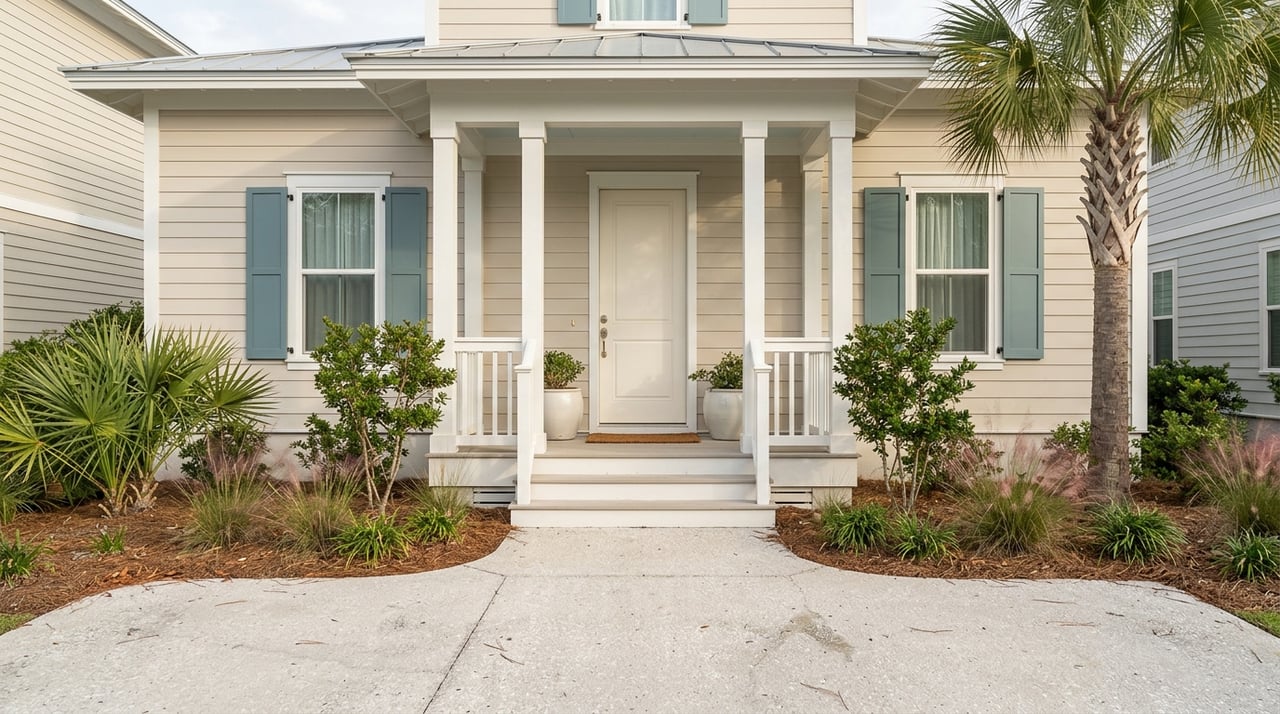
Selling a villa on Seabrook Island is not the same as selling a condo anywhere else in Charleston. Buyers here are weighing your villa’s condition, yes, but they are also looking closely at club membership, flood exposure, access rules, fees, and how easy the property will be to enjoy as a second home or rental. If you want a smoother sale and fewer surprises, you need a plan that fits how this island actually works. Let’s dive in.
Understand what buyers are evaluating
A Seabrook Island villa sits within a layered community structure. SIPOA covers access control, common-area maintenance, trash and recycling, and several amenity facilities across a 2,400-acre private gated community with about 2,586 properties and 1,105 villas. That means buyers are not just comparing interiors. They are also comparing how ownership works day to day.
The Seabrook Island Club is also part of the decision for many buyers. The Club states that new property owners must purchase Club membership, and amenities include golf, racquet sports, the Beach Club, dining, equestrian offerings, kids activities, and year-round events. When you sell, you are presenting both a property and a lifestyle structure that comes with rules, costs, and benefits.
Step 1: Gather documents early
The fastest way to lose momentum is to start document collection after you get an offer. South Carolina requires a Residential Property Condition Disclosure Statement for most residential transfers of one to four dwelling units before a contract is formed. If new information later makes one of your answers inaccurate, you must correct it.
For a Seabrook Island villa, you should also be ready for association and regime questions. The state addendum for association properties asks about dues, special assessments, resale or rental restrictions, guest restrictions, assigned parking, access codes, membership transfers, common-area issues, and transfer fees. Having this information organized upfront helps buyers feel confident and helps prevent delays during due diligence.
Key paperwork to prepare
- South Carolina Residential Property Condition Disclosure Statement
- Association or regime information on dues and fees
- Any current or pending special assessment information
- Rules on rentals, guest access, and resale procedures
- Club membership information relevant to the transfer process
- Flood-zone or elevation documents, if available
- Permits or approvals for recent repairs, renovations, or upgrades
Step 2: Inspect the villa before listing
A pre-listing review is especially helpful on a coastal property. The state disclosure form points directly to major systems and components such as the roof, gutters, foundation, floors, windows, doors, plumbing, electrical, heating, and cooling. On Seabrook Island, that often means taking a close look at moisture intrusion, storm wear, deferred maintenance, and any changes made over time.
This step matters for two reasons. First, it helps you complete disclosures more accurately. Second, it gives you time to address issues on your terms instead of negotiating them under pressure once a buyer is under contract.
What to review before photos and showings
- Signs of water intrusion or humidity-related damage
- Roof and exterior wear
- Windows and doors for sealing and function
- HVAC performance
- Plumbing and electrical updates
- Flooring or subfloor concerns
- Any renovation work that may need permit backup
Step 3: Verify permits and contractor work
On Seabrook Island, repair and update work can involve more than one layer of approval. The Town of Seabrook Island says building permits are required for structures that are constructed, reconstructed, erected, or modified. The town also states that applicants must obtain a town zoning permit before applying to Charleston County for a county permit.
The town further notes that all contractors and subcontractors working on the island must have a valid town business license. If you have completed work recently, gather permits and contractor records now. If you are planning touch-ups before listing, make sure the work is handled through the proper channels so you do not create avoidable questions later.
Step 4: Pull flood documents upfront
Flood questions are standard on Seabrook Island, and buyers usually ask early. The Town of Seabrook Island notes that the island is susceptible to flooding from the Atlantic, inland rivers and tributaries, storm surge, heavy rains, and high tides. That makes flood documentation part of smart pre-listing preparation, not an afterthought.
Charleston County maintains flood elevation certificates for Seabrook Island properties with new construction or substantial improvements. If one is not on file, a South Carolina registered land surveyor may need to prepare one. Having available flood-related paperwork can help answer buyer questions clearly and keep the transaction moving.
Step 5: Price to Seabrook villa comps
One of the biggest pricing mistakes is using detached-home data to set expectations for a villa. In Seabrook Island Area 30, the Charleston Trident Association of REALTORS local market update showed a year-to-date February 2026 median sales price of $655,000 for townhouse-condo attached properties. The same report showed 93.5% of original list price received, 80 days on market until sale, and 42 homes for sale.
That same report placed detached homes at a much higher median sales price of $1,447,500. This is why villa pricing should be built from attached-property comps on Seabrook Island itself, not from single-family sales or broader Charleston averages. Wider Charleston data can add context, but island-specific villa data should drive the strategy.
What disciplined pricing helps you do
- Attract serious buyers earlier
- Reduce stale-listing risk
- Support stronger negotiations
- Increase the odds of a smoother appraisal and due diligence process
Step 6: Estimate net proceeds carefully
Your sale price is only part of the story. Buyers on Seabrook Island often ask about recurring costs and transfer-related fees because those shape affordability and long-term ownership. SIPOA lists a 2026 annual assessment of $3,133 for developed property, along with a $250 closing administrative fee and a contribution to capital fee equal to one-half of 1% of the purchase price, payable by the purchaser at closing.
The Seabrook Island Club membership application also states that joining fees are included in closing costs, may be paid outside closing with advance notice, are subject to change, and that certain membership classifications carry a multi-year retention expectation. Even when some costs are buyer-paid, these details still affect buyer decision-making and negotiation. A clear picture of the numbers helps you price and position your villa more effectively.
Step 7: Build a showing plan around gate access
Seabrook is an access-controlled community, so showing logistics matter more than they do in a typical market. SIPOA says Realtors must show a valid South Carolina real estate license at the gate pass facility and may use daily or annual commercial access. If clients arrive separately, they should remain with the Realtor for entry coordination.
This is one reason local, hands-on coordination adds real value. Showings, repair visits, appraisals, and inspection access all need tighter scheduling on Seabrook Island. A simple lockbox approach is usually not enough when gates, vendor access, and timing all need to line up.
Step 8: Market the villa as a lifestyle property
Your listing should absolutely showcase updates, layout, views, and maintenance level. But for many buyers, especially second-home buyers, that is only part of the picture. They also want to understand how the property fits into Seabrook Island living.
The Seabrook Island Club highlights golf, racquet sports, the Beach Club, dining, the equestrian center, and organized social events. The Club also notes that unaccompanied guests of members or renters need an amenity card to access Club facilities. Clear, factual marketing around these ownership details helps buyers picture how they would actually use the villa.
Step 9: Explain rental rules clearly
If your villa has appeal as an income-producing property or flexible second home, buyers will want plain-language answers about rentals. SIPOA requires annual registration for both long-term and short-term rentals. It also states that new owners who intend to rent must submit new rental information before the first rental event.
SIPOA further explains that rental guest access is managed through SymLiv rather than by renters calling the gatehouse directly. Rental hosts must also send guests a confirmation email with approved wording to help entry go more smoothly. These are the kinds of operational details that matter to buyers comparing one island property to another.
Step 10: Prepare for buyer questions before they ask
Most buyer concerns on Seabrook Island are predictable. They usually center on Club membership, flood risk, recurring fees, guest access, and rental rules. If you prepare answers and supporting documents before listing, you can reduce friction and build trust from the first showing onward.
You should also set realistic timing expectations. Recent attached-property data for Seabrook Island showed 80 days on market until sale, which is longer than broader Charleston figures. That does not mean demand is weak. It means thoughtful pricing, preparation, and buyer education are especially important here.
Why local coordination matters
Selling a villa on Seabrook Island is document-heavy and timing-sensitive. Gate access, contractor coordination, permit history, flood paperwork, association details, and fee disclosures all need to be lined up early. A calm, organized process can make the difference between a clean transaction and a stressful one.
That is where high-touch guidance matters most. From pre-listing inspection planning and staging guidance to pricing, marketing, and transaction management, the goal is to remove friction so your villa shows well and your sale stays on track.
If you are thinking about selling a villa on Seabrook Island, Russ Knapp can help you build a smart plan, prepare the property, and bring it to market with the kind of steady local guidance coastal sales demand.
FAQs
What documents do you need to sell a villa on Seabrook Island?
- You should have the South Carolina property disclosure, association or regime information, fee details, rental and guest rules, flood or elevation documents if available, and permits or approvals for recent work.
How long does it take to sell a Seabrook Island villa?
- Recent Seabrook Island attached-property data showed 80 days on market until sale, so sellers should plan for a process that may take longer than broader Charleston averages.
How should you price a villa on Seabrook Island?
- You should base pricing on Seabrook Island attached-property comps, not detached-home sales, because the attached and detached segments have very different price points.
What do buyers ask about when buying a Seabrook Island villa?
- Buyers often ask about Club membership, flood exposure, recurring fees, guest access, and rental rules because those factors affect both lifestyle use and carrying costs.
Why does a local Seabrook Island listing broker matter?
- A local broker can help coordinate gate access, vendors, permits, disclosures, flood documents, and showing logistics, which can reduce delays and keep the transaction organized.